
3000K produces warm white light, while 4000K produces neutral white light. For retail stores, 3000K often suits warm interiors and leather goods, while 4000K works well in contemporary fashion and sportswear stores. The best choice depends on the merchandise, interior finishes, color rendering and lighting design.
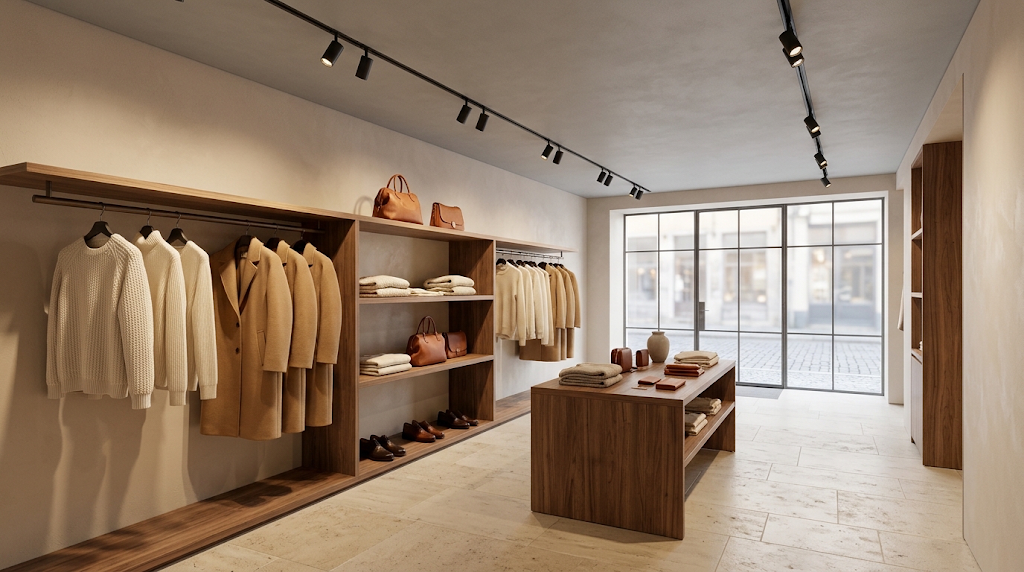
3000K vs 4000K: Key Differences
The main difference between 3000K and 4000K is the appearance of the white light, not its brightness. Both color temperatures can work well in commercial lighting when matched to the products, finishes and atmosphere of the space.
| Feature | 3000K Lighting | 4000K Lighting |
|---|---|---|
| Light color | Warm white | Neutral white |
| Visual atmosphere | Warm, relaxed, inviting | Clean, balanced, contemporary |
| Interior finishes | Warm wood, beige, brown, bronze | White, grey, concrete, neutral finishes |
| Typical retail applications | Boutiques, leather goods, warm-toned displays | Fashion stores, sportswear, contemporary retail |
| Product appearance | Can emphasize warm tones | Can provide a more neutral-looking presentation |
| Brightness | Depends on lumens and light distribution | Depends on lumens and light distribution |
| Color accuracy | Depends on spectral quality and color rendering | Depends on spectral quality and color rendering |
These are general guidelines, not fixed rules. A 3000K store can look modern, and a 4000K store can feel welcoming. The complete lighting design determines the final result.
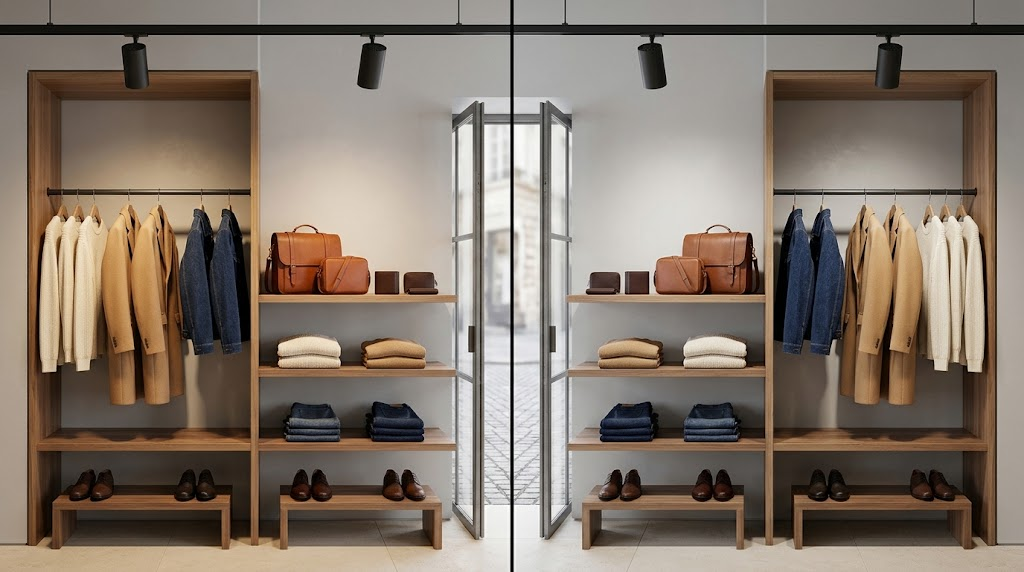
Which Is Better for Clothing Stores: 3000K or 4000K?
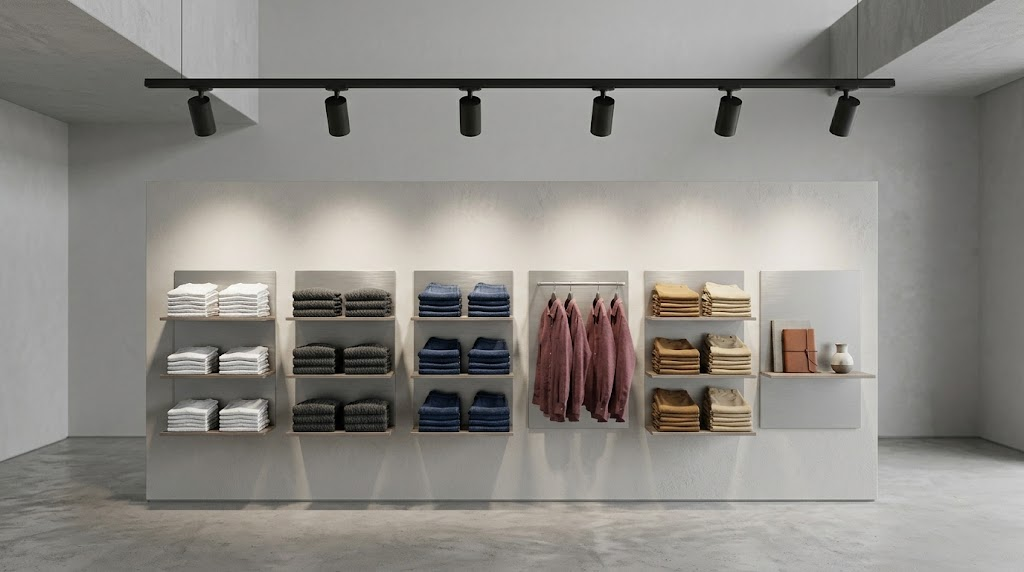
For clothing stores, choose the color temperature that presents the merchandise well under the intended store lighting. Warm-toned collections may benefit from 3000K, while stores emphasizing neutral finishes, denim or technical apparel may prefer 4000K.
When Should You Choose 3000K?
3000K is worth considering when warmth is an important part of the store’s visual identity.
Typical applications include:
- Premium fashion boutiques with warm architectural finishes.
- Leather handbags, belts and footwear in brown, tan and cognac tones.
- Clothing collections featuring beige, cream, camel and earthy colors.
- Displays using natural wood, bronze or warm stone.
Warm white light can complement these materials, but it may also make white fabrics appear creamier or affect the perceived appearance of cool grey and blue garments. Always test the actual merchandise before finalizing the specification.
When Should You Choose 4000K?
4000K is a practical starting point for stores that need a neutral white appearance.
Typical applications include:
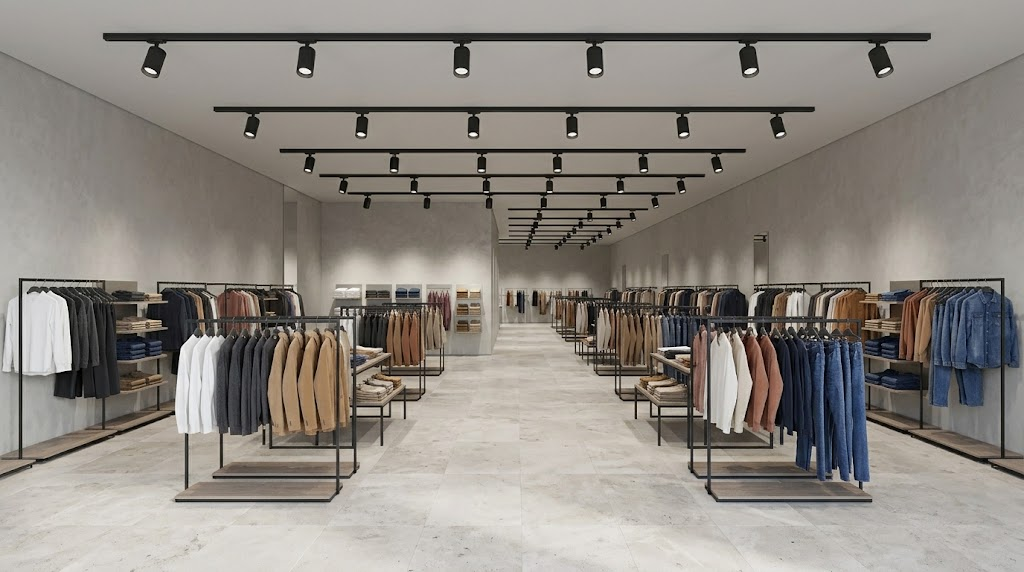
- Contemporary fashion stores with white or grey interiors.
- Denim and casualwear stores.
- Sportswear and technical apparel displays.
- Showrooms displaying multiple product colors.
- Retail environments designed around clean, neutral finishes.
4000K does not automatically produce more accurate colors. The quality of the LED light source and its spectral characteristics remain important.
Is 3500K a Good Alternative?
3500K can be worth testing when 3000K looks too warm and 4000K feels too neutral. It may suit stores that combine warm wood, neutral walls and a varied merchandise palette.
However, 3500K is not automatically better. The final result depends on the actual light source, surrounding illumination and materials.
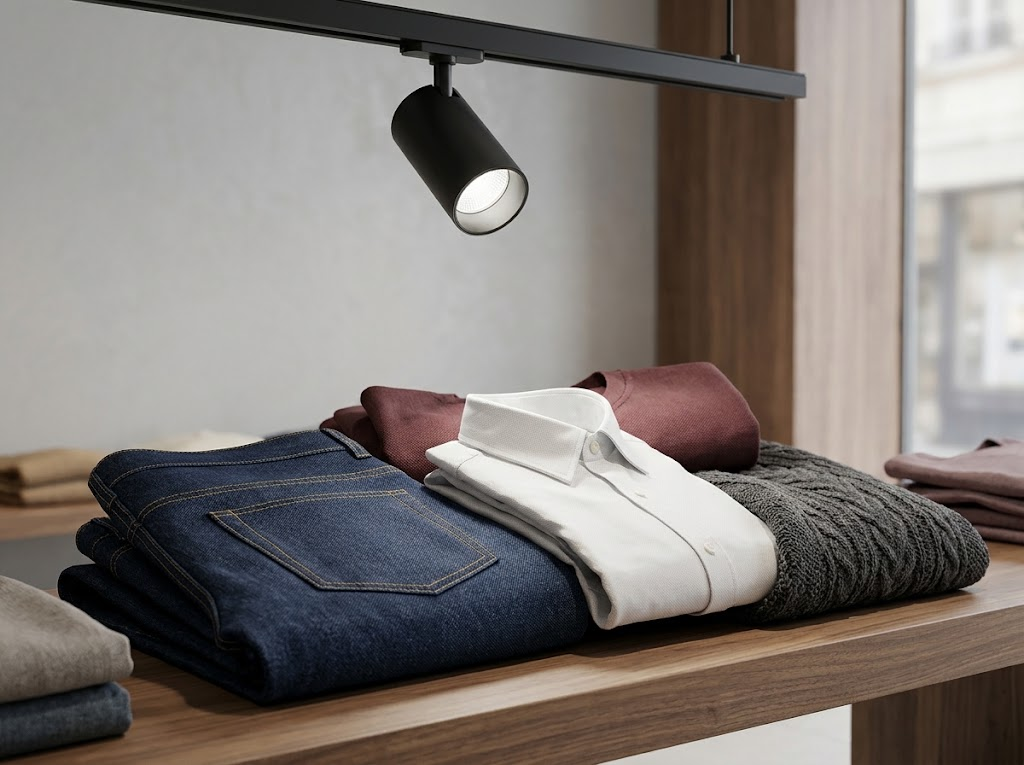
Does 4000K Look Brighter Than 3000K?
No. 4000K is not inherently brighter than 3000K. Kelvin measures correlated color temperature, while brightness and illumination depend on light output, optics, mounting height and the amount of light reaching the target surface.
When comparing LED track lights, check three key specifications:
- Lumens (lm): the total visible light output of the luminaire.
- Lux (lx): the light reaching a surface, such as a clothing rack or display table.
- Beam angle: how widely the light spreads across the target area.
Two spotlights with the same lumen output, beam angle and installation position can provide similar illumination while producing different white-light appearances.
If a display looks too dark, check the fixture output, beam angle, aiming and mounting position before changing the color temperature.
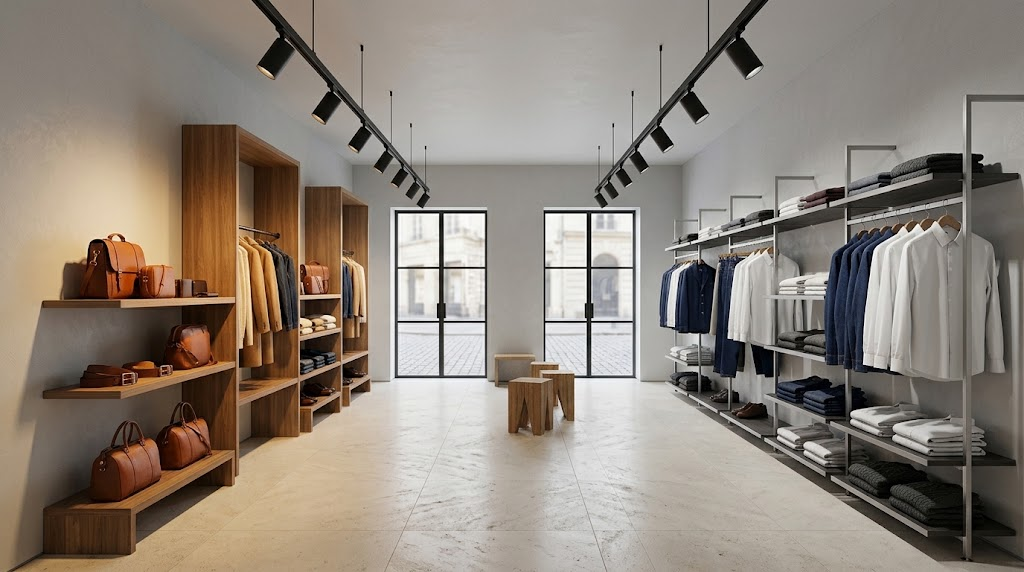
Which Is Better for Product Color: 3000K or 4000K?
Neither color temperature automatically provides better color accuracy. The result depends on the LED’s spectral distribution and color-rendering performance.
For fashion stores, footwear displays, cosmetics and other color-sensitive applications, buyers should consider more than Kelvin.
| Lighting specification | What it tells you |
|---|---|
| CCT | Whether the light appears warm or neutral |
| CRI Ra | General color-rendering performance |
| R9 | Rendering performance for saturated red |
| TM-30 | Additional information about color fidelity and gamut |
| SDCM | Chromaticity consistency between light sources |
For color-sensitive retail applications, CRI Ra 90 or higher is a useful starting point. The final requirement should reflect the merchandise and project objectives.
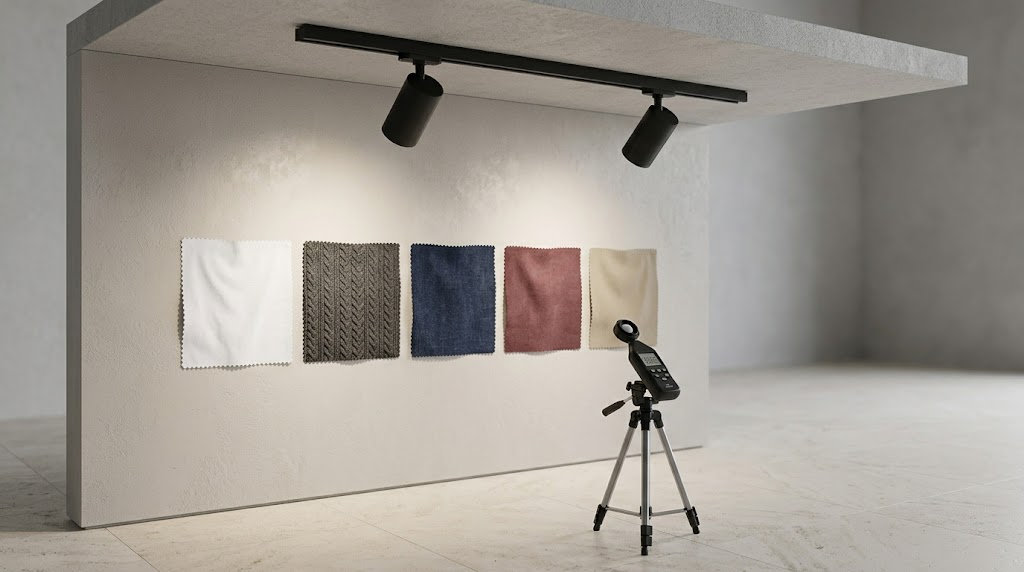
Two LED spotlights can both be rated 3000K and CRI 90 yet render the same fabric differently. Their spectral characteristics may vary.
SDCM is especially relevant for multi-store projects. Keeping color consistency within and between production batches helps prevent visible differences between fixtures installed in the same display or across different branches.
Can You Mix 3000K and 4000K in One Store?
Yes. Mixing 3000K and 4000K can work when each color temperature has a clear purpose. Problems arise when different white-light appearances create unwanted variations across the same display.
For example, a store may use 4000K for general lighting and 3000K for a dedicated warm-toned accessories display. The transition should look intentional rather than accidental.
To maintain a consistent appearance:
- Define the lighting zones before ordering fixtures.
- Keep the color temperature consistent across individual racks and display surfaces.
- Check how accent lighting interacts with the ambient lighting.
- Test the arrangement on actual merchandise.
- Document the approved CCT and fixture specifications for future replacements.
For retail chains, a documented lighting specification helps maintain a consistent customer experience when stores are refurbished or new locations open.
Which Color Temperature Uses Less Energy?
Neither 3000K nor 4000K automatically consumes less electricity. Energy use depends on luminaire wattage, efficacy, operating hours, lighting layout and control strategy.
When comparing commercial LED lighting, check:
- Luminous efficacy, measured in lumens per watt.
- The required illuminance for each retail zone.
- Beam control and light distribution.
- Dimming and scheduling options.
- Compatibility with the intended control system.
A well-designed track lighting system directs light onto merchandise instead of wasting excessive light on surrounding surfaces. This can improve the effectiveness of the lighting installation regardless of whether the chosen CCT is 3000K or 4000K.
Compare complete lighting solutions that meet the same project requirements rather than assuming one Kelvin rating is more energy-efficient.
How to Choose 3000K or 4000K LED Track Lights
Before placing a large order, compare physical samples under conditions similar to the finished store. This is particularly important for fashion retailers and projects involving multiple locations.
Step 1: Define the Application
Identify the merchandise, interior finishes, ceiling height, mounting position and intended atmosphere. A leather accessories boutique and a sportswear store may require different lighting approaches.
Step 2: Compare the Technical Specifications
Confirm the following parameters before comparing products:
| Parameter | What to check |
|---|---|
| Color temperature | 3000K, 3500K or 4000K |
| Lumen output | Actual luminaire output |
| Beam angle | Suitable distribution for racks, walls and displays |
| CRI and R9 | Appropriate color rendering for the products |
| SDCM | Required color consistency |
| Power and efficacy | Wattage and lumens per watt |
| Glare control | Visual comfort from normal viewing positions |
| Dimming | Compatibility with the specified driver and controls |
| Track compatibility | Correct mechanical and electrical configuration |
Step 3: Test the Same Products Under Both Options
Install one 3000K sample and one 4000K sample at the planned mounting height. Use comparable beam angles and illuminance levels.
Check white, black, grey, red and blue fabrics, along with representative flooring, wall finishes and display materials. Evaluate the results from normal customer viewing positions.
Step 4: Check Daylight and Evening Conditions
Natural daylight can change the appearance of artificial lighting. If the store has windows or skylights, compare the samples during the day and after dark.
Photographs can help document the test, but camera white balance may distort color differences. Approve the physical samples rather than relying on photographs alone.
Step 5: Record the Approved Specification
Once the preferred lighting has been selected, record the fixture model, CCT, lumen output, beam angle, color-rendering requirements and color tolerance.
This is particularly important for chain retailers, where replacement fittings and future store openings need to match the original lighting design.
Common Mistakes When Choosing Between 3000K and 4000K
Choosing 4000K because it is assumed to be brighter. Brightness depends on light output and distribution, not Kelvin alone.
Choosing 3000K simply because the store is premium. The merchandise and interior finishes should guide the decision.
Ignoring color rendering. A suitable CCT cannot compensate for poor spectral performance.
Mixing color temperatures without a zoning plan. Uncontrolled differences can make adjacent displays look inconsistent.
Ordering without testing samples. Technical specifications cannot fully predict how light will interact with actual fabrics and finishes.
Ignoring batch consistency. Replacement fixtures with different chromaticity can create visible variations even when their nominal CCT is the same.
Frequently Asked Questions
3000K suits stores that benefit from a warm appearance, while 4000K is useful when a more neutral presentation is preferred. Test both on the actual merchandise before making the final decision.
Not necessarily. It can complement warm-toned products and interiors, but some white, grey and blue fabrics may appear different under warm white light.
Not automatically. A neutral white appearance does not guarantee accurate color rendering. The light source’s spectral quality and color-rendering performance also matter.
3000K may complement leather footwear and warm finishes, while 4000K can suit contemporary footwear and neutral interiors. Test the actual products under both options.
They can if the fixtures are compatible with the track system and electrical configuration. The lighting plan should also prevent unwanted color differences across the same display.
Not for every application. However, CRI 90 or higher is a useful starting point for color-sensitive merchandise. More demanding projects may also require additional color-rendering and consistency specifications.
Standard dimming generally reduces light output without intentionally changing CCT. Tunable-white systems can adjust color temperature when the luminaires, drivers and controls support that function.
Choose 3000K when a warm appearance complements the merchandise and interior. Choose 4000K when the store needs a more neutral white appearance. Consider 3500K if neither option produces the desired result.
For a reliable outcome, evaluate color temperature alongside lumen output, beam angle, color rendering, glare control and color consistency. Testing actual merchandise before ordering is one of the most effective ways to avoid costly lighting changes later.
BREE LIGHTING for Commercial Retail Projects
BREE LIGHTING supplies commercial LED lighting solutions, including track lights and downlights, for fashion boutiques, retail stores and showrooms.
For custom-logo LED track-light orders, BREE LIGHTING’s stated minimum order quantity is 200 pieces, with a lead time of 7–15 working days, subject to final product specifications and order confirmation.
When planning a project, prepare the store type, ceiling height, merchandise categories, preferred color temperature, beam angle and estimated quantity. This information provides a practical starting point for selecting the appropriate lighting configuration.