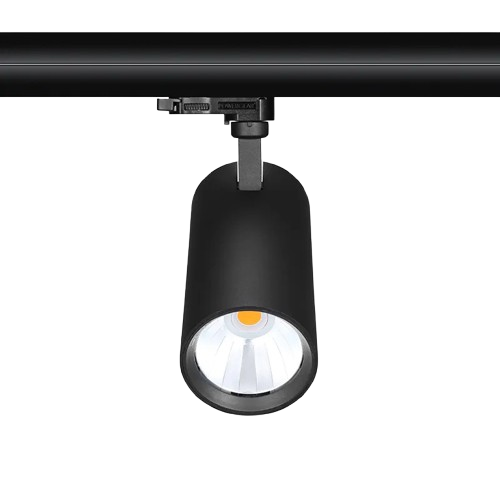
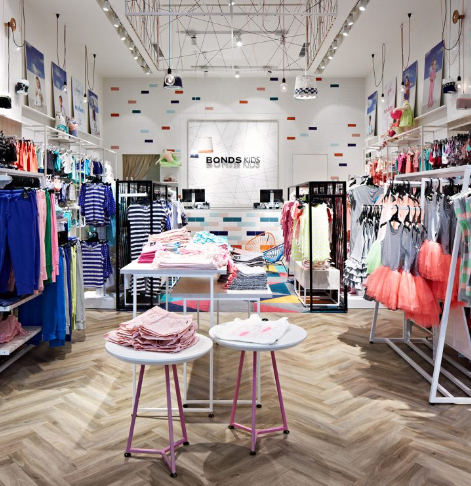
Lighting makes a bigger difference in a kids’ clothing store than many people realize. It affects how the clothes look, how the store feels, and whether customers notice the right products first.
Good track spots should make the space feel bright, friendly, and easy to shop. They should also show fabric colors accurately and work well with changing displays, since kids’ fashion stores often update layouts more often than other retail spaces.
What Matters Most
When choosing track spots for a kids’ clothing store, the first thing to think about is how the clothes will look under the light. Soft colors, prints, and fabric textures all depend on good lighting.
A track spot with a high CRI is usually the better choice because it shows colors more naturally. For most children’s clothing stores, CRI 90 or above is ideal.
Color temperature matters too. Warm white around 3000K gives the store a softer and more welcoming feel. Neutral white around 4000K can work well if you want a cleaner, more modern look. Very cool light is usually less suitable because it can make the store feel less comfortable.
Beam Angle and Placement
Track spots are useful because they let you aim light exactly where you need it. In a kids’ clothing store, that usually means mannequins, display tables, wall racks, and seasonal feature areas.
A narrow beam works well for highlighting a specific outfit or display. A wider beam is better for clothing racks or areas that need broader coverage. Most stores use a mix of both so the lighting feels balanced instead of flat.
Placement is just as important as the fixture itself. If the light is aimed too sharply, it can create glare. If it is too far away or too wide, the clothing may look dull. The goal is to keep the display bright without making the store feel harsh.
Why Track Spots Work Well in Kids’ Retail
Kids’ clothing stores change often. New collections come in, promotions change, and the layout may be updated for different seasons. Track lighting makes those changes much easier.
Instead of replacing the whole lighting setup, you can simply adjust the direction of the fixtures. That saves time and keeps the store looking fresh. It also helps reduce energy use compared with older lighting types.
Another advantage is that track spots help create focus. They can draw attention to new arrivals, window displays, or special promotions without lighting everything in the same way.
What to Check Before Buying
Before choosing track spots, it helps to look at a few practical details.
- Check whether the track system matches your existing setup.
- Choose CRI 90+ if color accuracy is important.
- Pick the beam angle based on whether you need accent lighting or general display lighting.
- Look for stable drivers to reduce flicker.
- Make sure the fixture has good heat dissipation for long-term use.
- If you are buying for Europe or export markets, check the required certifications.
A good track spot should not only look nice on paper. It should also work reliably in daily retail use.
What is the best track spot for a kids’ clothing store?
A good choice is a track spot with high CRI, a warm or neutral color temperature, and a beam angle matched to the display area.
Should kids’ clothing stores use warm or neutral light?
Both can work. Warm light feels softer and more welcoming, while neutral light gives a cleaner retail look.
Is CRI 80 enough?
It can work, but CRI 90 or higher is better for clothing because it shows fabric colors more accurately.
What beam angle should I choose?
Use a narrow beam for mannequins and feature products, and a wider beam for racks or larger display areas.
Are track spots good for small stores?
Yes. They are especially useful in small stores because they let you direct light exactly where it is needed.
Final Thoughts
For a kids’ clothing store, lighting should feel easy, comfortable, and natural. The right track spots help clothes look better, support the store layout, and make the shopping experience more pleasant for parents and children.
If the lighting is chosen well, it does its job quietly. Customers may not notice the fixtures themselves, but they will notice the store feels better.