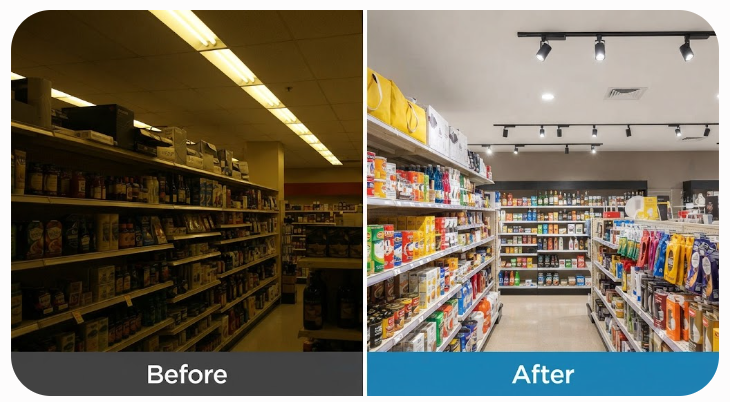
New retail lighting is definitely worth the investment when evaluating total value rather than just upfront costs. While the initial payback period is important, modern LED and smart lighting systems significantly reduce energy consumption, lower long-term maintenance expenses, and elevate the in-store customer experience.
Why Traditional Lighting ROI Calculations Fall Short
When retailers weigh the decision to upgrade their store illumination, the conversation almost always starts and ends with a single question: What is the payback period?
While understanding return on investment (ROI) is critical, focusing strictly on the initial purchase price creates a major blind spot. Traditional calculations treat lighting purely as an overhead utility expense rather than a strategic asset that actively drives sales and operational efficiency.
The Hidden Value Drivers of Modern Retail Lighting
To accurately assess a lighting retrofit or upgrade, decision-makers must look beyond the electric bill. A comprehensive business case incorporates several high-impact value drivers:
- Drastically Lower Energy Consumption: Modern LED technology cuts baseline energy use significantly compared to legacy systems.
- Reduced Maintenance Costs: High-quality commercial fixtures last longer, eliminating frequent bulb replacements and labor downtime.
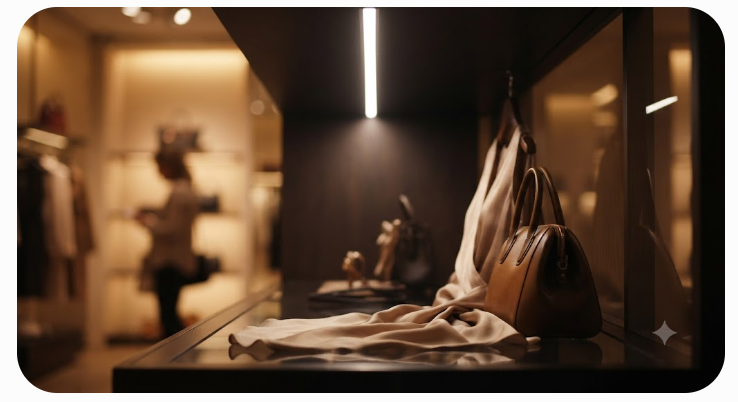
- Enhanced Product Highlighting: Advanced color-rendering and directional fixtures make merchandise more appealing, directly influencing purchasing decisions.
- Elevated Customer Experience: Optimal color temperatures and glare-free layouts create a welcoming atmosphere that increases dwell time.
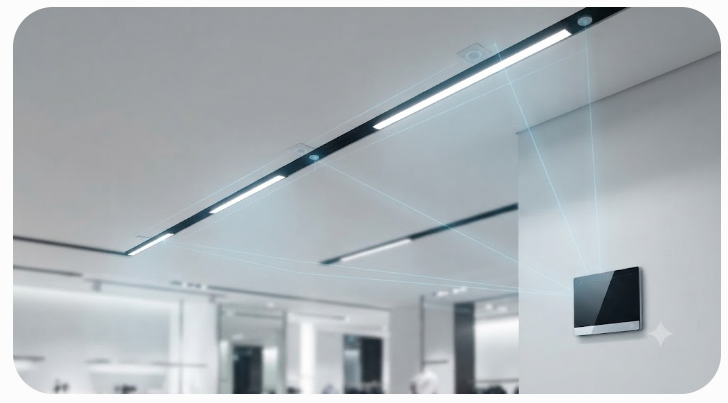
- Intelligent Controls and Automation: Sensor-based systems and smart dimming maximize efficiency by adjusting illumination based on natural daylight and store traffic patterns.
How to Evaluate Your Store’s Lighting Strategy
Before deciding whether to stick with your current setup or invest in a new solution, facility and retail managers should conduct a thorough audit covering three core pillars:
- Total Cost of Ownership (TCO): Calculate a 5-to-10-year projection factoring in energy inflation, bulb lifespans, and maintenance labor.
- Sales Impact Potential: Analyze how better visual merchandising and accent lighting can improve conversion rates in key departments.
- Sustainability Targets: Factor in corporate ESG (Environmental, Social, and Governance) goals, as efficient lighting plays a major role in reducing a brand’s carbon footprint.
By shifting from a narrow, cost-centric viewpoint to a holistic value-based evaluation, the business case for a modern retail lighting upgrade becomes clear, compelling, and financially sound.
Frequently Asked Questtions
What is the typical payback period for a retail lighting upgrade?
While it varies depending on store size, operating hours, and utility rates, the payback period for switching from legacy lighting to modern commercial LEDs typically ranges between 1.5 to 3 years. When factoring in smart controls and government or utility rebates, that timeline can shorten even further.
How does retail lighting impact sales and customer behavior?
Lighting directly influences psychological perception and visual comfort. Strategic accent lighting draws attention to high-margin products, proper color rendering (CRI) ensures true-to-life product colors (reducing returns), and optimized ambiance increases customer dwell time—all of which positively correlate with higher conversion rates.
What are the maintenance benefits of upgrading to modern LED systems?
Legacy lighting solutions like fluorescent or metal halide bulbs degrade quickly and require frequent, costly replacements and manual labor. High-end commercial LEDs feature lifespans exceeding 50,000 hours, drastically lowering ongoing maintenance overhead and eliminating the disruption of burnt-out fixtures on the sales floor.
Are smart lighting controls and sensors worth the extra investment?
Yes. Intelligent lighting systems use daylight harvesting and occupancy sensors to automatically dim or turn off lights in unoccupied zones or areas with ample natural light. This can reduce a store’s lighting energy consumption by an additional 30% to 50% on top of standard LED efficiency gains.