Finding an LED track light supplier in China is easy. Finding one that can meet your lighting specifications, maintain consistent quality and deliver on schedule takes more work.
For fashion retailers, lighting contractors, distributors and retail chains, the decision should go beyond unit price. The right manufacturer needs to supply the correct optical performance, compatible electrical components, reliable production and clear technical documentation.
At BREE LIGHTING, we work with commercial lighting requirements where product appearance, beam control, customization and repeat orders all matter. Here is what we recommend checking before choosing a supplier for your next retail project.
1. How do I know if a Chinese LED track light manufacturer is reliable?
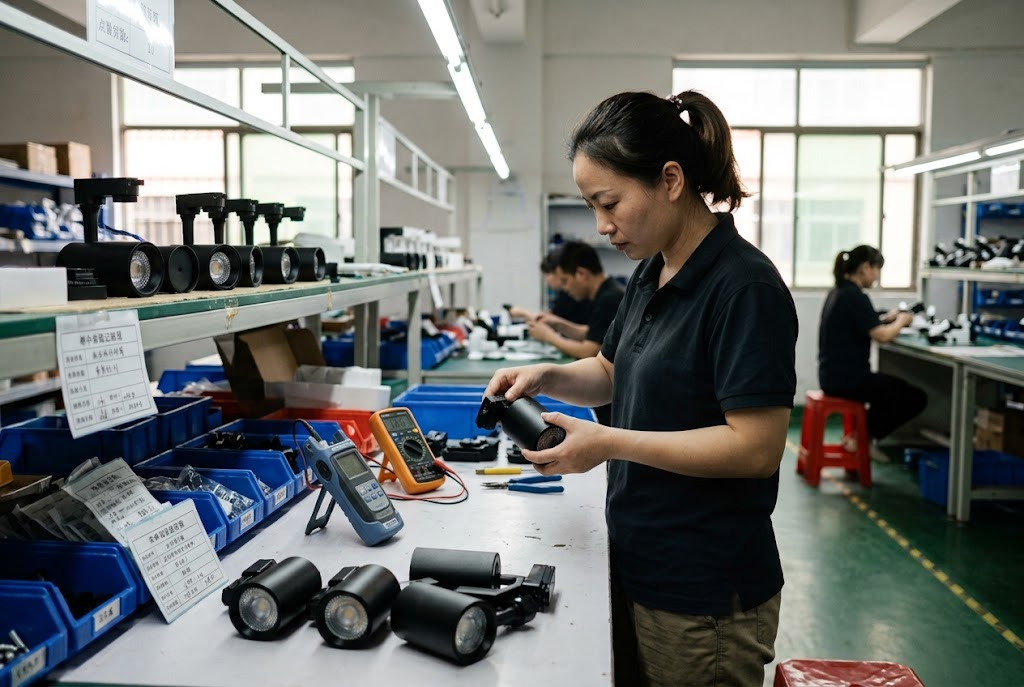
Start with evidence, not the supplier’s ranking on a website. Ask for the factory’s company information, product datasheets, relevant test reports, quality-control procedures and references from comparable projects. A supplier serving fashion retail should also understand how beam angles, color rendering and mounting height affect merchandise. Before committing to a large order, evaluate a sample of the exact model you intend to buy.
2. Which LED track lights work best for clothing stores and fashion boutiques?
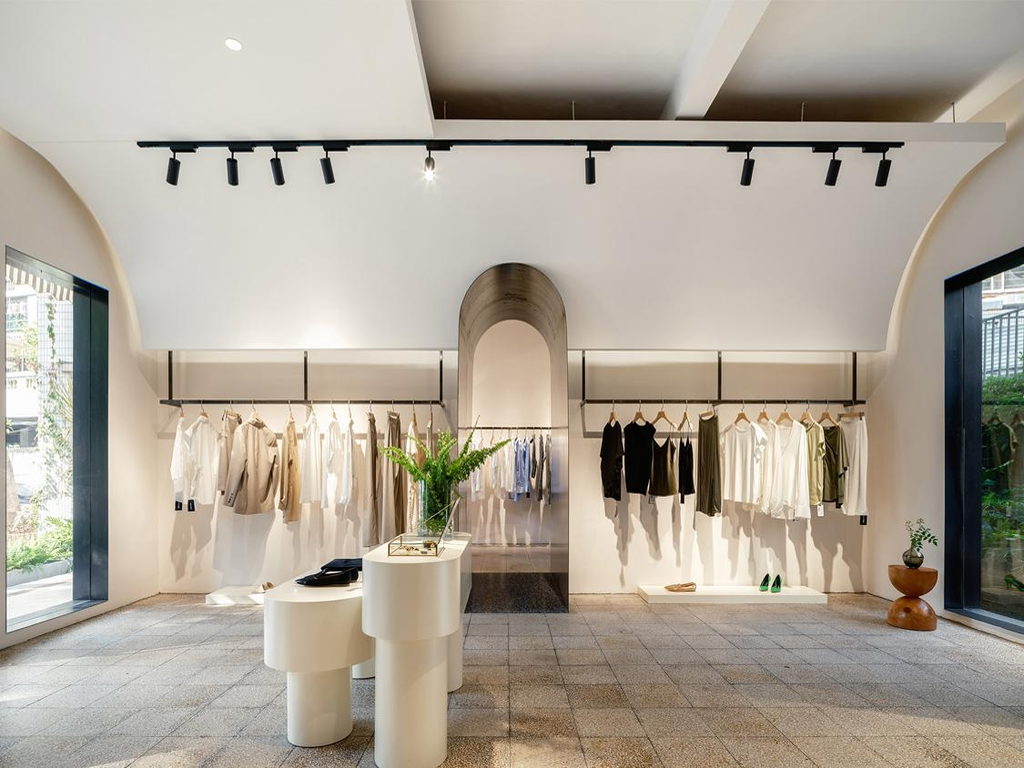
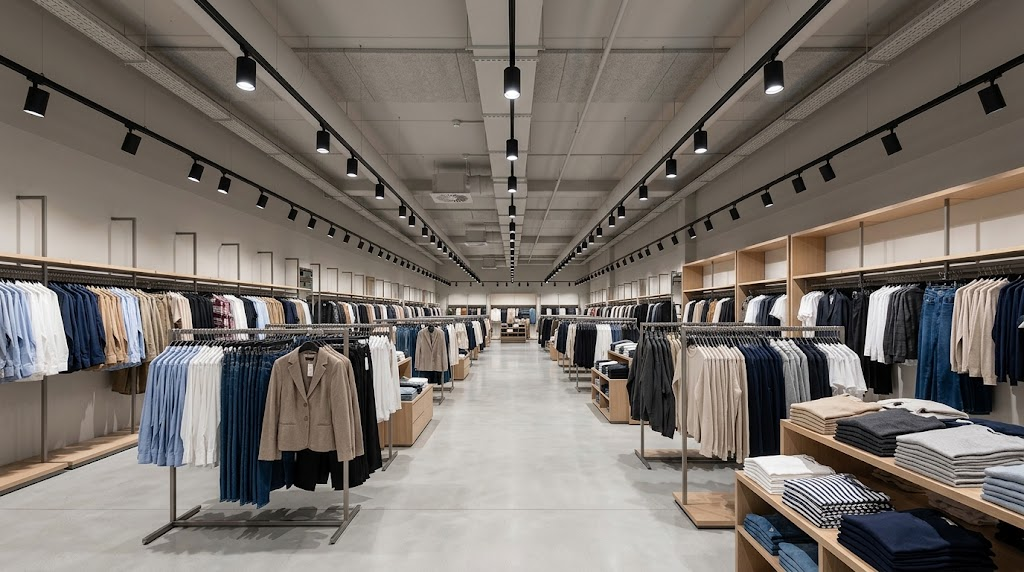
For most clothing stores, a combination of general lighting and adjustable accent lighting works better than using the same spotlight everywhere. Narrow beams can highlight mannequins or featured products, while medium and wider beams can illuminate clothing rails and wall displays. The right choice depends on ceiling height, display distance, garment colors and the intended atmosphere. A lighting layout should determine fixture positions and quantities before the order is finalized.
3. What should I compare besides wattage and price?
Compare delivered lumens, luminaire efficacy, CRI, R9 where relevant, SDCM, beam angle, glare performance, driver quality and dimming compatibility. Wattage tells you how much electrical power a fixture uses; it does not tell you whether the light will fall in the right place. Ask suppliers to quote against the same specification. Otherwise, a cheaper product may simply be delivering less light or using a different optical configuration.
4. Is CRI 90 enough for a fashion store?
CRI 90+ is a sensible starting point for many fashion retail applications, but it does not tell the whole story. Red fabrics, leather goods and cosmetics may benefit from closer attention to R9 and spectral performance. Color temperature also changes the visual impression of merchandise. For a store where accurate color matters, request the relevant data for the exact model and compare samples against real products under representative lighting conditions.
5. Should I choose 3000K, 3500K or 4000K for retail lighting?
Choose the color temperature that fits the store concept and merchandise rather than assuming one value suits every retailer. A 3000K source can support a warm boutique interior; 3500K offers a middle ground; and 4000K can work well in a clean, contemporary retail environment. These are starting points, not fixed rules. For a chain with multiple locations, agree on the color temperature and color consistency requirements before production.
6. Which beam angle should I use: 15°, 24° or 36°?
A 15° beam is useful for tightly focused accents, 24° can suit individual displays and mannequins, and 36° can cover wider shelves or clothing rails. These examples depend on mounting height, aiming distance and the size of the target. A narrow beam is not automatically better, and a wider beam is not always more efficient. Ask for photometric files or a lighting calculation to check the actual coverage before selecting the final optics.
7. How can I avoid glare from LED track spotlights?
Look at the optical design, shielding, fixture position and viewing angles rather than relying on wattage alone. A bright LED source can be uncomfortable when it is directly visible to customers, even if the merchandise below is well illuminated. For projects with specific glare limits, confirm the required metric and supporting calculations. If possible, test a sample in a representative installation before approving the full order.
8. Can LED track lights fit my existing three-circuit track?
Do not assume that a spotlight will fit simply because its adapter looks similar. Mechanical fit, electrical connections and circuit selection must all be compatible with the installed track system. Send the manufacturer the track brand, system details, voltage and clear photographs of the rail and adapter. Confirm compatibility for the exact product model before ordering. This is particularly important for refurbishment projects where replacing the entire track would add unnecessary cost.
9. Can I use DALI, DALI-2 or 0–10V dimming with the track lights?
The answer depends on the driver fitted to the specific luminaire. DALI, DALI-2, 0–10V and phase-cut dimming use different control methods and should not be treated as interchangeable. Specify the required protocol, dimming range and control arrangement when requesting a quotation. The supplier should confirm the driver configuration and provide the relevant technical information before you place the order.
10. What certifications should I ask for when importing track lights into Europe?
Ask for the compliance documents that apply to the exact luminaire and its intended market. Depending on the product, relevant requirements may include electrical safety, electromagnetic compatibility, RoHS and applicable ecodesign obligations. Check the manufacturer’s declarations and supporting technical documentation rather than relying on a logo or a general statement that the factory is certified. A document for one model does not automatically establish compliance for every product in the range.
11. Can I customize LED track lights for my retail brand?
Customization may include housing color, wattage, color temperature, beam angle, driver, dimming method, packaging and private-label branding. What is possible depends on the product platform, components and order quantity. If you are developing a standard fixture for a retail chain, finalize the technical specification and appearance before mass production. Confirm any additional costs, MOQ, sample approval requirements and lead-time changes in writing.
12. What is the minimum order quantity at BREE LIGHTING?
BREE LIGHTING’s stated MOQ for the applicable standard ordering arrangement is 200 pieces. The final requirement should be confirmed for the selected model and any requested customization. When requesting a quotation, specify the quantity for each wattage, beam angle, color temperature and dimming version. This helps us assess the actual product mix instead of quoting against an incomplete order description.
13. How long does BREE LIGHTING take to deliver an order?
BREE LIGHTING’s stated production lead time is 7–15 working days for applicable order conditions. The confirmed schedule depends on the product configuration, order quantity, customization and component availability. Manufacturing time is not the same as international transit time, customs clearance or final delivery. If you are preparing for a store opening or a multi-location rollout, confirm the production and shipment schedule before fixing the installation date.
14. How much do commercial LED track lights cost in bulk?
There is no meaningful single price for all commercial track lights. The cost depends on power, optics, LED components, driver, dimming, housing, compliance requirements, customization and order quantity. To compare suppliers fairly, request quotations for equivalent specifications and the same quantity and delivery terms. A low unit price may not represent better value if the product fails to meet the project’s lighting performance or replacement requirements.
15. How can I calculate the energy savings from replacing old store lighting?
Start with the actual connected load of the existing installation and compare it with the proposed LED system while maintaining the required lighting performance. For example, reducing connected lighting load by 1 kW over 3,000 operating hours saves 3,000 kWh per year, before accounting for changes in controls or usage. Multiply the estimated energy reduction by the applicable electricity tariff to calculate the annual cost saving. Actual results depend on the existing fixtures, operating schedule and final lighting design.
16. How do I check whether a supplier can maintain consistent quality across 20 or more stores?
Set an approved product specification before the first production order. It should cover the model, color temperature, CRI, SDCM, optics, driver, power and control requirements. Keep a reference sample and agree on inspection criteria for subsequent batches. For chain projects, also discuss replacement products, spare parts and model changes. A consistent product specification makes it easier to maintain a recognizable lighting appearance when stores open months apart.
17. Should I request a sample before placing a bulk order?
Yes, especially if the project depends on precise color rendering, beam control, track compatibility or dimming performance. Test the sample at a representative mounting height and compare its appearance on actual merchandise. Check the mechanical adjustment, adapter fit and driver behavior as well as the light output. For a large rollout, approve the production configuration in writing so that the delivered goods can be checked against the same reference.
18. How can I tell whether a supplier is a real manufacturer or a trading company?
Ask who is responsible for production, assembly, testing, quality inspection and product changes. Verify the company information and request a clear explanation of which operations are performed in-house and which components are sourced externally. A trading company can still be a capable supplier, but buyers should understand who controls the product specification and handles quality claims. The important point is accountability, not just the label used on a website.
19. What information should I send to get an accurate quotation?
Include the application, destination country, quantity, wattage, color temperature, CRI, beam angle, dimming protocol and existing track type. Add any housing-color, branding, packaging or compliance requirements. For a new store, provide the floor plan, ceiling height and reference images. For a refurbishment, photographs of the existing fixtures and track system can prevent compatibility misunderstandings. The more complete the request, the easier it is to quote the right configuration.
20. What should I check in the warranty and after-sales terms?
Confirm the warranty period, coverage, exclusions, claim process and responsibility for replacement products or components. Ask whether the terms cover the complete luminaire, driver or specified parts, and how spare parts will be supplied. Retail chains should also clarify how discontinued models and urgent replacements will be handled. Keep the agreed conditions in the quotation, purchase order or warranty document rather than relying on a general promise of long service life.
21. Can one track light model work for every store in a retail chain?
Sometimes, but one model will not necessarily meet every store’s requirements. A compact boutique, a high-ceiling store and a dense merchandise layout may need different power levels, beam angles or fixture positions. A practical approach is to standardize an approved product family while adapting the lighting layout to each location. This helps preserve brand consistency without forcing the same lighting arrangement into spaces with different dimensions.
22. How should I plan lighting for a 200 sqm fashion store?
Begin with the floor plan, ceiling height, clothing rails, mannequins, fitting rooms and circulation areas. Separate general lighting from accent lighting so that the merchandise receives appropriate attention without making the whole store excessively bright. Fixture quantities should be calculated from the target illuminance, light distribution, mounting height and layout—not from floor area alone. A 200 sqm store is a useful starting point for a project brief, but it is not enough information to determine a reliable fixture count.
23. What are the biggest mistakes when buying LED track lights from China?
The most common mistakes are comparing products only by wattage or price, overlooking track compatibility, failing to check the exact model’s documentation and approving a large order without testing a sample. Buyers can also underestimate shipping time or leave inspection and warranty terms unclear. A complete specification, documented sample approval and written commercial agreement reduce these risks. These steps are particularly valuable when several product versions must be delivered to multiple stores.
24. Why consider BREE LIGHTING for a retail lighting project?
BREE LIGHTING supplies commercial LED lighting products for project-based applications, including retail environments where product appearance, optical performance and installation requirements need careful consideration. The best product choice depends on the store layout, technical specification, control system and target market. We encourage buyers to assess the actual model, its documentation and its suitability for the project rather than choosing a fixture based on a generic ranking or marketing claim.
25. How can I get a track lighting recommendation from BREE LIGHTING?
Send BREE LIGHTING your floor plan, ceiling height, store type, target country, estimated quantity and preferred lighting effect. If the project involves an existing installation, include the track system and dimming protocol. We can review the requirements and discuss suitable product options, customization possibilities and quotation conditions. For retail chains, include the number of locations and expected delivery schedule so that product standardization and production planning can be considered from the start.
Frequently Asked Questions
Direct sourcing may simplify technical communication and customization, but the total cost also includes shipping, duties, inspection, installation and potential replacement costs. Compare equivalent specifications and delivery terms before deciding.
Not necessarily. Higher luminaire efficacy can reduce power consumption for a given lumen output, but beam distribution, glare, color rendering and the actual lighting target still matter. Evaluate overall lighting performance rather than one specification alone.
For a new store or a substantial refurbishment, a lighting calculation is strongly recommended. It helps determine fixture positions, beam coverage, illuminance and approximate quantities before the project moves into procurement.
Customization should be assessed against the selected product platform, requested specification and order quantity. Confirm the available options, MOQ, approved sample and production schedule with BREE LIGHTING before placing the order.
Finalize the product specification, review the relevant technical documents, approve a sample and confirm the quotation, delivery schedule and warranty terms in writing. For multi-store projects, also agree on batch consistency and replacement procedures.
Discuss Your Retail Lighting Requirements with BREE LIGHTING
Choosing track lights is not simply a matter of finding the lowest unit price. The product needs to suit the merchandise, the store layout, the electrical system and the project’s delivery requirements.
BREE LIGHTING welcomes inquiries from retailers, distributors, lighting contractors and project buyers. Share your application, technical requirements and expected quantity so we can review the available options and discuss the next steps.