CRI above 93 helps clothing, shoes and retail displays reproduce colors more faithfully under artificial light. For fashion boutiques, premium footwear stores and color-sensitive displays, it can help reveal subtle differences in fabric shades, leather finishes and product details.
What Does CRI >93 Mean in Retail Lighting?
CRI stands for Colour Rendering Index. It measures how a light source renders colors compared with a reference light source. The general CRI value, Ra, averages the results from eight standard test colors on a scale of up to 100.
A higher Ra generally indicates better color fidelity across those test samples. However, CRI above 93 does not mean every color will look perfect. The standard Ra calculation does not include R9, which measures the rendering of a saturated red.
For retail lighting, Ra is an important starting point, but it should not be the only specification. R9, correlated color temperature (CCT), color consistency and, where needed, IES TM-30 data provide a more complete picture of color performance.
Why Is High CRI Important for Clothing Stores?
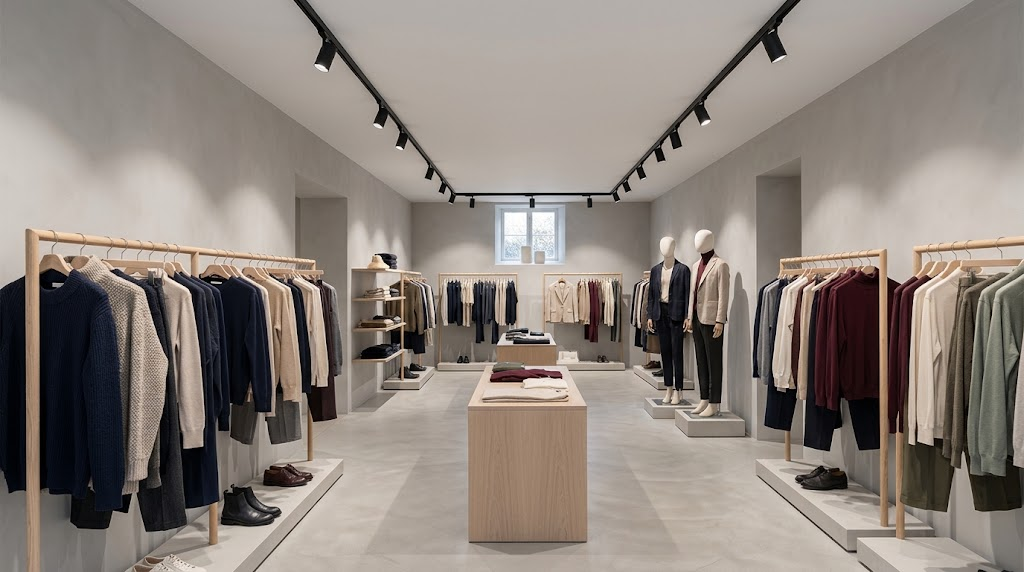
Clothing stores need lighting that reveals the intended colors and textures of garments. Brightness alone cannot achieve this.
Under unsuitable lighting, navy and black garments may look too similar, subtle fabric undertones can become difficult to distinguish, and some colors may appear dull or noticeably different from their appearance under another light source.
High-CRI LED track lights can help preserve these visual differences when the light spectrum, color temperature and beam distribution are properly selected.
For fashion retail, the practical benefits include:
- More faithful fabric colors: Helps customers distinguish similar shades and compare garments.
- Clearer material definition: Reveals knit patterns, woven textures and surface finishes.
- More consistent displays: Supports a coordinated appearance across mannequins, clothing rails and wall displays.
- Better control of product presentation: Gives lighting designers a stronger basis for evaluating how merchandise appears in the store.
High CRI does not guarantee increased sales or fewer returns. Its primary benefit is more reliable color presentation.
Why Does CRI Matter for Shoes and Leather Products?
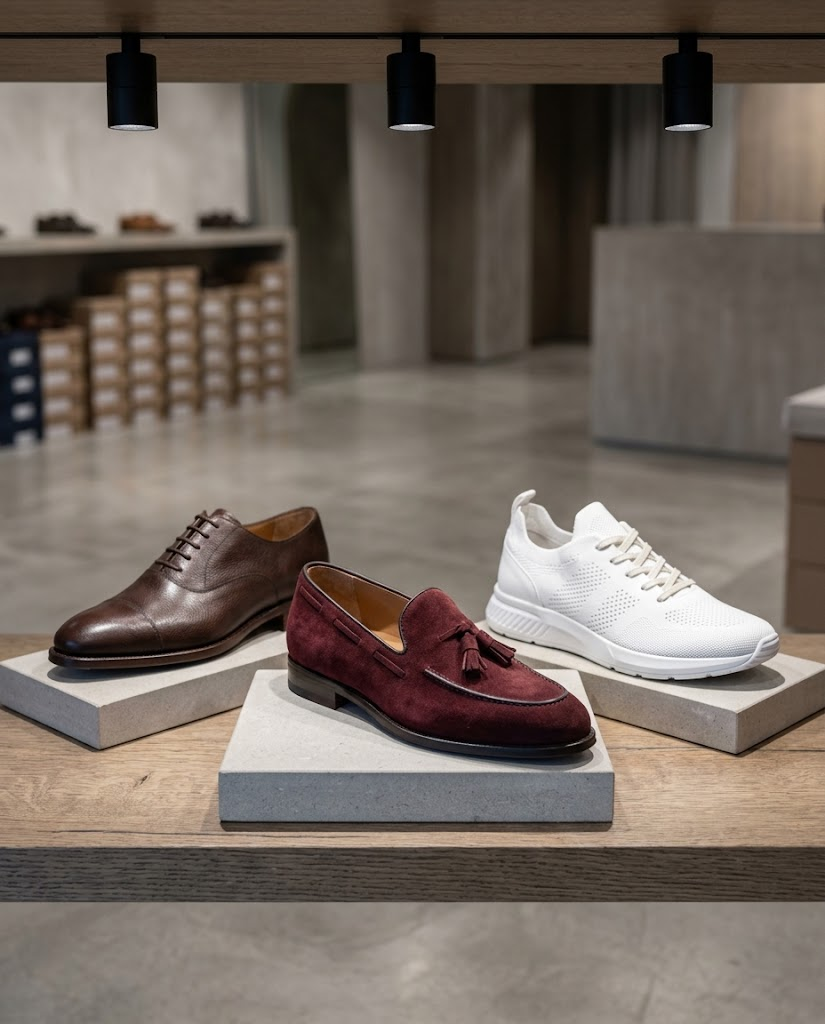
Footwear displays often combine leather, suede, mesh, rubber, metallic finishes and synthetic materials. These surfaces reflect light differently, so the choice of LED spotlight affects how customers perceive their color and texture.
| Product type | Lighting requirement | What buyers should check |
|---|---|---|
| Black and dark-brown leather | Reveal differences in tone, grain and finish | Ra, spectrum and glare |
| White trainers | Maintain clean-looking whites and visible material details | CCT and color consistency |
| Red and burgundy shoes | Render saturated red tones faithfully | R9 and available TM-30 data |
| Suede and nubuck | Reveal texture and subtle shading | Beam angle and light direction |
| Glossy or metallic footwear | Show the finish without distracting reflections | Optical control and aiming |
For footwear stores, a high CRI rating is useful, but it cannot compensate for poor optical design. A spotlight aimed directly at glossy leather may create harsh reflections even when its color-rendering performance is excellent.
Why Should Buyers Check R9 Alongside CRI?
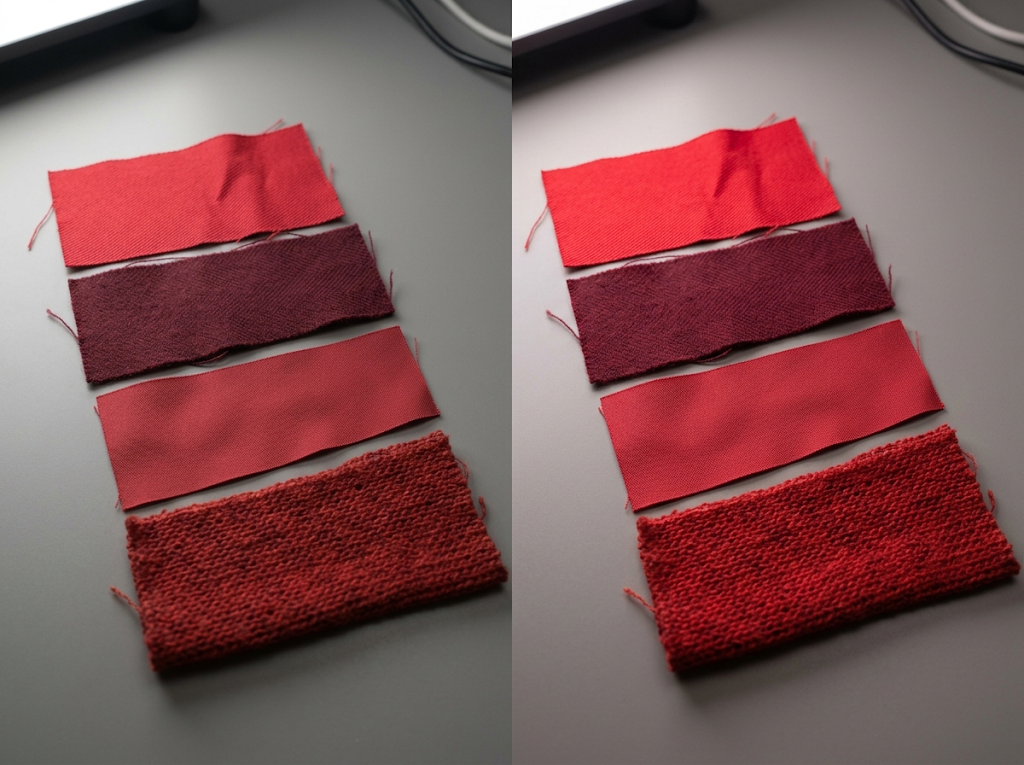
R9 measures how well a light source renders a saturated red test color. It is excluded from the general Ra average, which means two LED fixtures with the same CRI can perform differently when rendering red tones.
This is relevant to burgundy leather, red garments, warm-toned materials and other products containing saturated colors.
When comparing LED track lights, request the actual Ra and R9 values rather than relying on a general claim such as “CRI 95.”
For projects with demanding color requirements, IES TM-30 can provide additional information about color fidelity, saturation and hue shifts. The appropriate specification depends on the merchandise and the intended visual effect.
CRI 80 vs. CRI 90 vs. CRI 93 vs. CRI 95: Which Should You Choose?
The following values are practical selection guidelines, not universal performance categories.
| CRI (Ra) | General consideration | Potential application |
|---|---|---|
| 80–89 | Suitable for many general lighting applications | Back-of-house areas and selected general retail zones |
| 90–92 | A useful starting point for color-sensitive retail | Fashion stores and footwear displays |
| 93–94 | A higher color-fidelity target | Premium boutiques and demanding product displays |
| 95+ | A demanding specification for selected projects | Flagship stores and color-critical displays |
For many fashion stores, CRI 90+ is a reasonable starting point. CRI above 93 may be worth specifying when the project requires more exact color reproduction.
However, a CRI 95 fixture is not automatically the better choice. R9, spectral characteristics, CCT, beam distribution, glare and color consistency all affect the final result.
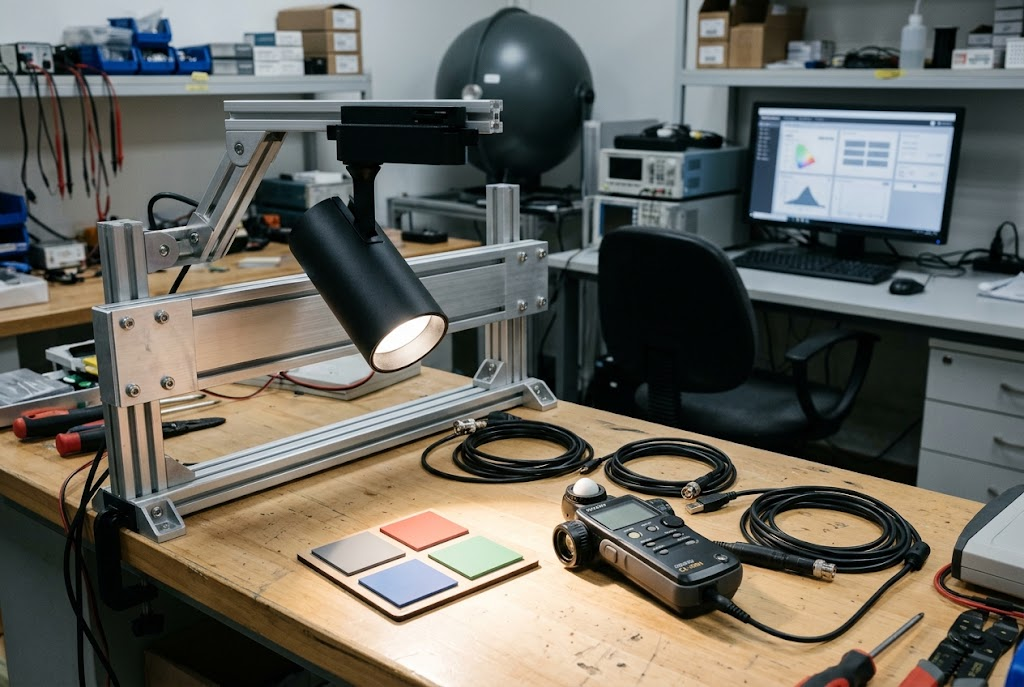
The best approach is to compare test data and evaluate samples under the actual store conditions.
Is CRI the Same as Color Temperature?
No. CRI and CCT describe different properties of light.
- CRI measures color rendering: How faithfully a light source reproduces the colors of illuminated objects.
- CCT describes the appearance of white light: Whether the light looks warmer or cooler, measured in kelvin (K).
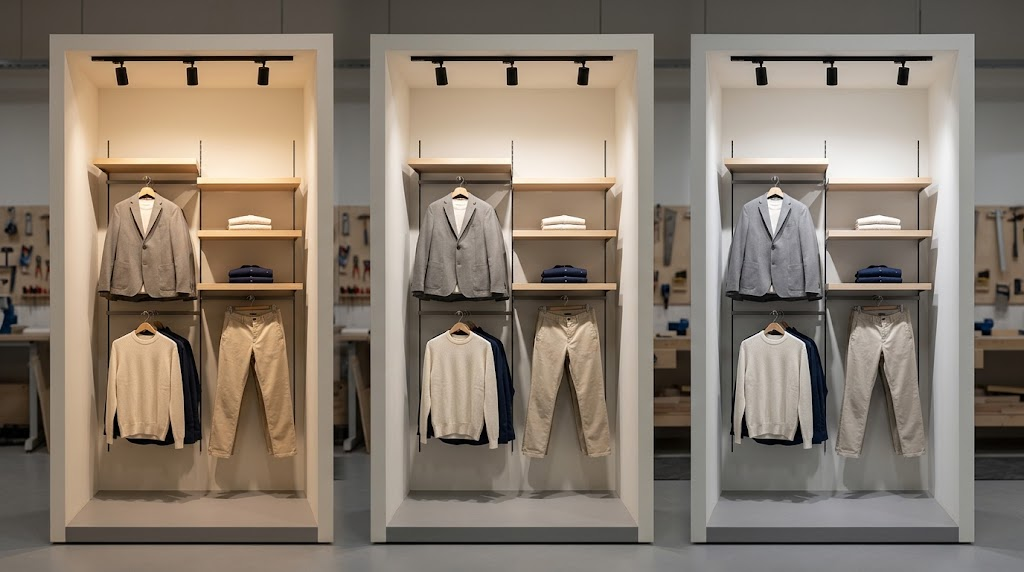
A 3000K LED can have CRI above 93, just as a 4000K LED can. Color temperature alone does not determine color-rendering quality.
| CCT | Visual character | Possible retail application |
|---|---|---|
| 3000K | Warm white | Boutiques, leather goods and warm-toned interiors |
| 3500K | Balanced warm-neutral white | Fashion displays requiring both warmth and color clarity |
| 4000K | Neutral white | Contemporary retail, sportswear and clean product displays |
These are starting points rather than fixed rules. The right CCT depends on the brand identity, merchandise, interior finishes and desired atmosphere.
Before finalizing a specification, evaluate the selected CCT with real products under the proposed lighting.
Which Beam Angle Is Best for High-CRI LED Track Lights?
CRI determines color-rendering performance; beam angle determines how light is distributed over the merchandise. Both affect the appearance of a retail display.
| Beam angle | Typical use | Main consideration |
|---|---|---|
| 15° | Small focal products and hero displays | Precise aiming and hotspot control |
| 24° | Mannequins and individual product displays | Controlled accent lighting |
| 36° | Clothing rails and footwear shelves | Practical coverage for many medium-sized displays |
| 60° | Wider displays and broader surfaces | Control spill light and maintain visual contrast |
The best beam angle depends on mounting height, fixture output, target size and optical design. A 24° spotlight may suit an individual shoe display, while a 36° beam may provide more even coverage across a row of products.
These angles should be treated as design options, not universal requirements. A lighting calculation or on-site mock-up can help verify the final choice.
How Can Retail Chains Keep Lighting Consistent Across Stores?
For multi-store projects, specifying CRI alone is not enough. Fixtures with similar Ra values can still produce visibly different colors.
A consistent retail lighting specification should define:
- CRI (Ra): The minimum color-rendering requirement.
- R9: The required performance for saturated reds when relevant to the merchandise.
- CCT: The selected color temperature for each lighting zone.
- SDCM: The acceptable chromaticity tolerance between fixtures.
- TM-30 data: Additional information about color fidelity and gamut when required.
- Sample approval: Testing with actual garments, shoes and display materials.
- Production consistency: Maintaining the approved specification for repeat orders.
SDCM describes chromaticity variation; it does not replace CRI or provide a complete measure of color rendering.
For chain-store rollouts, approve a representative sample before mass production or installation. Document the fixture model, CCT, color-quality requirements and optical configuration so that future stores can follow the same specification.
What Should Buyers Ask an LED Lighting Manufacturer?
When sourcing LED track lights for a project requiring CRI above 93, ask the manufacturer:
- What is the measured CRI (Ra) for the exact fixture configuration?
- What is the R9 value at the selected CCT?
- Is TM-30 data available for projects with demanding color requirements?
- What CCT and SDCM options are available?
- Which beam angles and light outputs suit the planned mounting height?
- Is the fixture compatible with the required dimming system?
- Can samples be supplied for evaluation with actual merchandise?
- Can the approved color specification be maintained for repeat orders?
These questions help buyers evaluate the complete lighting performance rather than selecting a fixture on a single headline number.
How Does BREE LIGHTING Support Retail Lighting Projects?
BREE LIGHTING supplies commercial LED lighting for retail applications, including fashion stores and boutiques. For projects that require CRI above 93, buyers should confirm the performance of the exact proposed fixture rather than assume every model has the same color-rendering characteristics.
Request the relevant Ra, R9 and other available test data, then evaluate a sample with the intended merchandise. CCT, beam angle, glare control and color consistency should be considered alongside color rendering.
This approach helps retailers and lighting designers select fixtures that meet both the visual requirements and the technical specification of the project.
Frequently Asked Questions
No. CRI 90+ is a useful starting point for many fashion retail applications. CRI above 93 may be appropriate when the project has more demanding color-rendering requirements.
No exactly. A higher Ra value does not guarantee better rendering of every color. Compare R9, CCT, available TM-30 data and actual product appearance.
Their spectral power distributions, R9 values, CCTs and chromaticity characteristics may differ. Beam distribution, illuminance and reflections from nearby surfaces also influence the result.
It is particularly relevant when the merchandise includes saturated reds, burgundy or warm-toned materials. Its importance depends on the product range.
No. CRI measures color rendering, not brightness. Brightness and light output should be evaluated separately.
There is no universal answer. 3000K may suit a warmer boutique atmosphere, while 3500K or 4000K may better suit other brand identities and merchandise. Test the proposed light with the actual products.
Not necessarily. Color rendering and luminous efficacy are different performance characteristics. Compare the complete luminaire’s measured efficacy alongside its color-quality data.
Request the product’s test data and evaluate a sample fixture with actual garments, shoes and display materials under the intended lighting conditions.
No. Consistency also depends on CCT, chromaticity tolerance, spectral characteristics and production control. Document and approve the full specification before rollout.
Conclusion
CRI above 93 can be valuable for fashion, footwear and premium retail displays where faithful color presentation matters. But CRI alone does not guarantee that every product will look accurate.
For a reliable specification, consider Ra together with R9, CCT, SDCM, beam angle and available TM-30 data. Most importantly, approve the lighting with real merchandise before committing to the full project.
For retail lighting buyers, the goal is not simply to choose the highest CRI number. It is to select a tested lighting solution that presents the merchandise consistently and meets the project’s visual and technical requirements.